


Rain clouds are traded for sunny skies as early blooms welcome spring and the beginning of boating season. As boaters shake off winter, yacht clubs, marinas and anchorages liven up with a flurry of activity. Old friends reunite, cruising plans are solidified and the observant boater revels in identifying the latest cast of characters in the boating community. If you’d like an insider’s perspective on the scene, here is a field guide to help you notice who is on the water this year.

The Social Sailor
Yacht clubs mark the start of the season with a festive Opening Day and Sail Past. You’ll find our first character here, the social sailor. Known more for their brass buttons and crisp white pants, they spend more time on land than on the sea. Some recall their glory days of boating, while others simply like the thought of it and are occasionally deployed as ballast on a harbour cruise. The Sail Past is the perfect opportunity for the social sailor because it typically requires two outfits—one for the boat and the other for the buffet.
Like many yacht club protocols, the Sail Past has its origin in the navy and is meant as a review of the fleet. I have yet to see military precision displayed on Opening Day, because, like most of us, when you haven’t done something for a while, you need some practice. Acting as a social sailor, I was graciously invited aboard a Bavaria Cruiser 37 for Opening Day this year and got to witness the parade first-hand. We weren’t entirely sure what time the Sail Past was to take place, but we saw a rush of boats leaving the dock and thought it best to act the part. After tacking about in the harbour while our fingers lost their feeling from the damp spring air, we noticed what we thought was the Commodore’s vessel and the beginnings of a receiving line. Dutifully, we headed in that direction and wondered what everyone else was doing. Boats were askew heading in every direction with only a few making their way toward the procession. We managed our Sail Past but were unsure of the results, so we took a starboard tack and went again, just in case, before heading back to the dock where many boats remained comfortably tethered. Perhaps the Sail Past was more of a drop-in thing, or we missed the boat—literally and figuratively.
The Novice vs Seasoned Boater
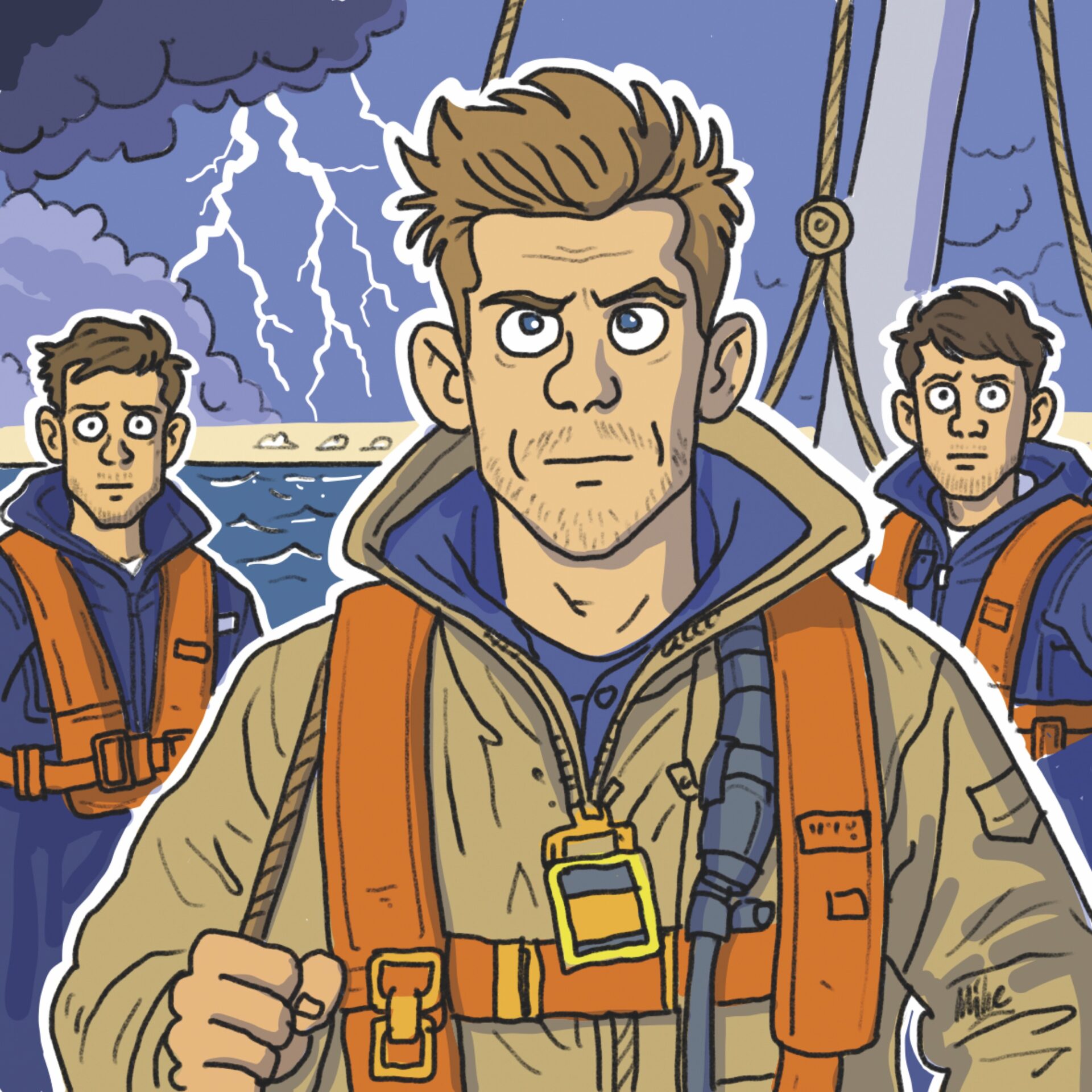
Our next characters are the novice and the seasoned boater; they are very different but best described in contrast to each other. Novices are learning the ropes, and you can always tell because that’s how they refer to their lines. A sailor I know, tired of telling beginners to “pull the blue line,” eventually commandeered a label maker and named every line on the boat. It wasn’t just a lack of patience that caused the sailor to invest in crafting supplies. Winds can shift quickly and the faster and more accurately a direction is followed, the safer the crew. Likewise, seasoned sailors insist on their lines being kept neat when underway, whereas a novice may leave them jumbled about the cockpit like a bowl of spaghetti. But when the mainsheet is prevented from being let out on a tack because it is tangled in the uncoiled halyard line in the cockpit, the novice will learn to keep things tidy.
Many lessons on the water are learned the hard way, and we should always be willing to lend a hand and hide our chuckles. Docking evokes the same dread seen in teenagers when parallel parking during a driving exam. With palms sweaty, the nervous novice approaches the wharf at ramming speed, creating a head-turning crunch, or cuts the motor too soon as they sprint to the bow to catch the float. Leaping onto the dock, the novice has actually pushed the boat away from it and now fights the boat’s momentum in an all-out tug of war. Inexperienced crew have been known to lend a hand by straddling the boat and the dock, hoping that their time on the ThighMaster will bring the two together. Bow thrusters, like back-up cameras, have eased a lot of tense and potentially embarrassing moments at the dock.
Observation is one of the best ways to learn, but the novice won’t often see a seasoned sailor anchoring because the expert will be there before them. A secure anchor leads to peaceful sleep, and the best spots get taken early. When entering the anchorage late in the day, the unfortunate novice can be left with few good choices, making their task all the more challenging. Winds and currents can confound the boater, nudging them off course and close to peril. Conditions on the water change frequently, and the seasoned boater knows to check the weather and wind forecast like they are checking their social media feeds. While the novice may wonder if it was their homemade garlic sauce that drove the neighbour away from the calm anchorage, shifting winds and a dragging anchor at night reveal the truth.
Calculations are difficult to make under pressure, and whether the boater has made the right one may only become clear hours later when the tide or wind changes. Setting off for a hike from Halkett Bay on Gambier Island, now that the dock is gone, an inexperienced boater may haul their tender high on the beach, only to realize upon their return that the tide was falling and they would have a long way to carry their soggy ride down the mucky beach.
Boating may appear easy, but the novice boater stuck on a “short-cut” sandbar will soon correct you. Technology has come a long way in making navigation easier than using paper charts, but many shorelines hide shoals, sandbars and rocks just below the surface. Seeing other boats at anchor isn’t a guarantee that the passage is safe or accessible. Take Roscoe Bay as an example, with its drying shoal that should only be crossed by sailboats on a rising tide.
You can’t always tell a novice from a seasoned boater by the vessel they own, but there are several clues to distinguish them when underway. If you see lines, fenders or a tender bopping about on the waves, chances are you’ve spotted a novice. Experience teaches the boater that any line left overboard will make its way to your propeller, and that a bouncing tender not only steals your speed but can also flip or swamp in foul weather or big wakes.
The Coastal Character
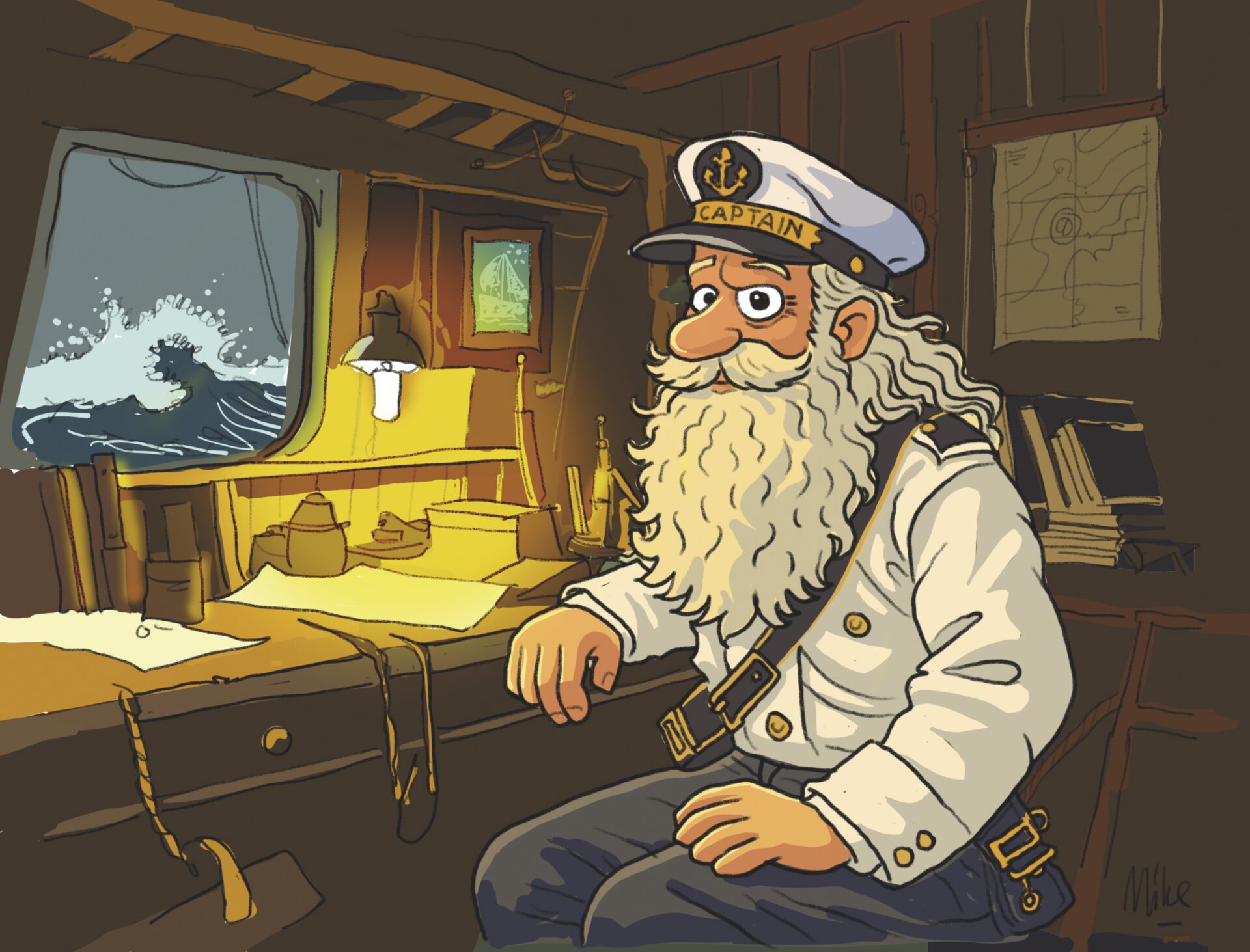
The last in our field guide is the coastal character. These old souls have what most of us would call a rough life, living in remote areas without modern conveniences. Yet, they have everything they need because they can invent almost anything, and friends are always dropping by with something useful. Coastal characters get their name because they’ve become an institution amongst boaters for their tall tales and eccentricities. During my second trip to Desolation Sound, I encountered the echo of the late Bill Rendall of Squirrel Cove. Bill was as famous for his tales as for the bread and cinnamon sticky buns he baked. While I never experienced Bill’s baking, the café at Refuge Cove was using his coveted recipe at the time. It was there I encountered Dave, the Cove’s resident waste manager, who spends his summers aboard a garbage barge, weighing the fleet’s refuse—an essential service that comes at a price. The dock at Refuge Cove was full of old salts that season, willing to share a story and their favourite swimming hole. Perhaps you’ll meet a new cast of coastal characters this season.
Henry Beard and Roy McKie authored a hilariously accurate pocket dictionary for boating. The definition of sailing forms the cover image and reads, “the fine art of getting wet and becoming ill while slowly going nowhere at great expense.” Boating is indeed an irrational pursuit and yet, the dream of boating, the peace and adventure it brings us, is a siren call we must answer. It is this oddity, a willingness to do something that seems so out of our best interests, that connects the social sailor, the novice, the seasoned sailor and the coastal characters. On the water, we are all just a little bit odd, and regardless of your boat or skill, it takes a lot of learning and effort to get there. That is perhaps why the boating community is so willing to lend a hand and to make a fast friend.
Keep this handy field guide with you and see if you can spot the unique cast of characters on the water this season.