

It’s that time of the year. You’ve watched Old Wave Rover swinging from a Travelift and deposited into a cradle and now the rest is up to you, starting with that one big decision… which bottom paint to use?
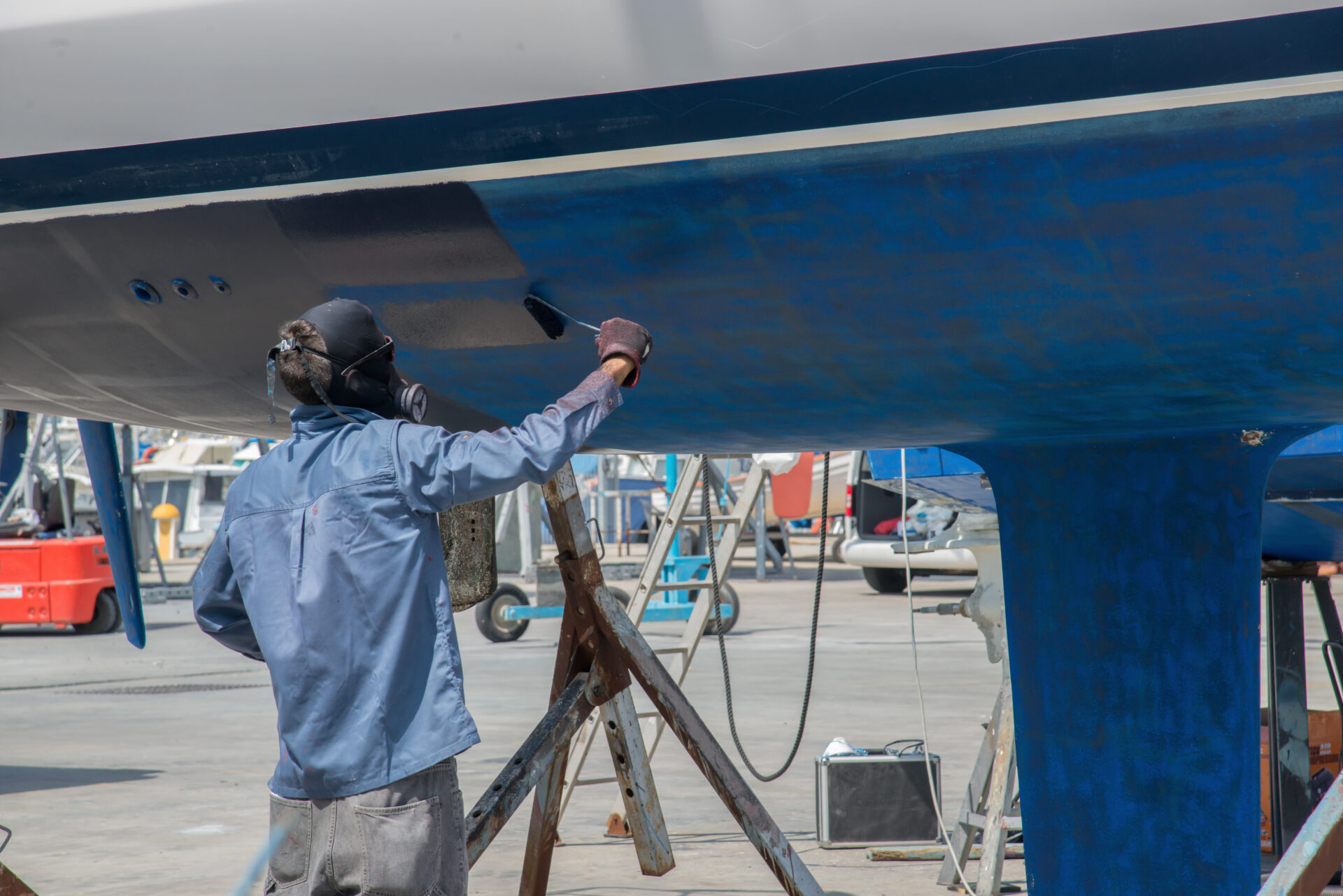 Boat maintenance out of the water.
Granted, there will be plenty of time to think about it while you scrape and sand, chip the barnacles off the prop and pull off what’s left of the zincs. But even before you get to that point, it’s a good idea to explore the options based on your particular needs and see what matches up.
All bottom paint has the same goal, to keep an aquatic jungle, complete with wildlife, from adhering to the bottom of your boat. In the extreme, marine life can devastate a ship, as did the Teredo navalis, commonly known as the shipworm, when it bored its way through the wood of the Spanish Armada, completely destroying it. Fortunately, our problems with aquatic growth in the Pacific Northwest are not nearly as lethal, but a clean bottom can add at least a knot of speed and more importantly, mollusks can cause gelcoat damage.
The bottom paint you choose will help determine how much growth clings to your boat. When you’re choosing a bottom paint you need to consider how, where and how often you use Old Wave Rover. Keep in mind that certain bottom paints are not compatible with all materials. The primary thing to keep in mind is that aluminum boats and boats with aluminum outdrives need paints that are free of cuprous oxide to prevent galvanic corrosion.
Regarding price, you generally get what you’re willing to pay for. Multi-season ablative paints, for example, will cost you more than those designed for single season use. Keeping a bottom clear of growth is a matter of the amount of biocides in the paint, whether it be copper or something else, the more of it in a paint, the better job it will do but the more it will cost. You can also factor in self-polishing as a feature of paints. This simply means that the paint will keep the bottom slick and thus help repel growth. Lastly, make sure you follow provincial and federal regulations and use only paints that are approved in Canada.
With all that in mind, here are the basic types of bottom paint:
Hard Bottom Paints
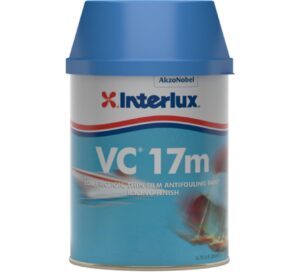
These are for boats that get a lot of usage and need a paint that can take what that entails. Hard bottom paints don’t wear away like ablative paints, they just release their biocides over time, whether the boat is in motion or docked.
It’s important to note that hard bottom paint oxidizes and loses its effectiveness 72 hours after being taken out of the water. If you’re going to put your boat up on the hard for any period of time, use an ablative paint instead, or plan to repaint. Example: VC17 (discontinued in the Canadian market).
Ablative Bottom Paints
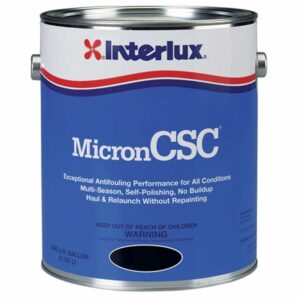
Ablative is the most commonly-used type of bottom paint and is softer than hard bottom paint. It’s available as either single or multi-season and priced accordingly. Ablative paints slowly wear away, gradually releasing biocides to kill marine growth. It’s very effective for boats that remain in the water and even after a boat has been out of the water for an extended period of time, ablative paints bounce back and resume their ability to repel growth once they’re wet again. Example: Micron CSC
Copper-free Bottom Paints

Copper is the most common biocide in bottom paints, but there are environmental concerns surrounding its use. In response, bottom paints have been developed that substitute biocides that are less harmful to the environment. Common copper-free biocides include econea and zinc pyrithione. Econea takes on the same role as copper biocide to prevent mollusks from clinging on, and zinc pyrithione is an algaecide that prevents slime and weed fouling. Uncommon in Canada.
Hybrid Bottom Paint
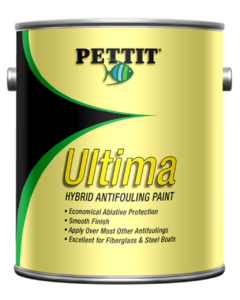
This type of paint uses multiple biocides and attempts to combine the best attributes of hard and ablative bottom paints. Unlike hard bottom paints, hybrid-painted hulls can be taken out of the water for long periods of time and will retain their ability to repel growth when put back in. Example: Pettit Ultima
Don’t forget the prop!
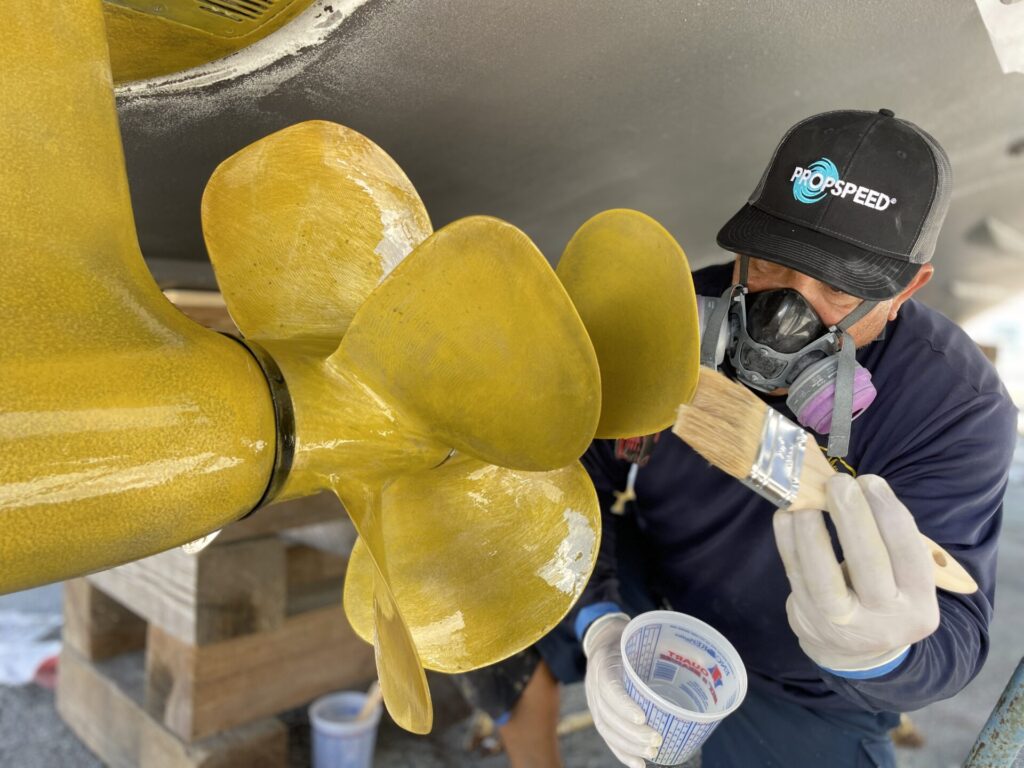
There are various schools of thought on what to use to prevent growth on the prop, but we all agree that something has to be done because growth on the prop can slow you down and even unbalance the prop. Old school boaters used everything from olive oil to surf wax. But, today, there are paints specifically designed for the job. They’re increasingly being used by long distance cruisers who put them to the ultimate test. These paints require extensive cleaning of the prop before careful application. Example: Propspeed