


October often means the end of boating on the West Coast. Some of you intrepid cruisers probably have fall trips planned; maybe a short gunkhole to your favourite anchorage, maybe a longer trip if a weather window presents itself. But for many of us, the boat is being tucked away until the spring. That’s about five months away (thinking positively). So leave your boat in a condition you’ll be happy to come back to in April by following these tips. Remember: if you don’t do it now, you’ll have to do it in the spring.
1. INTERIOR/CABIN
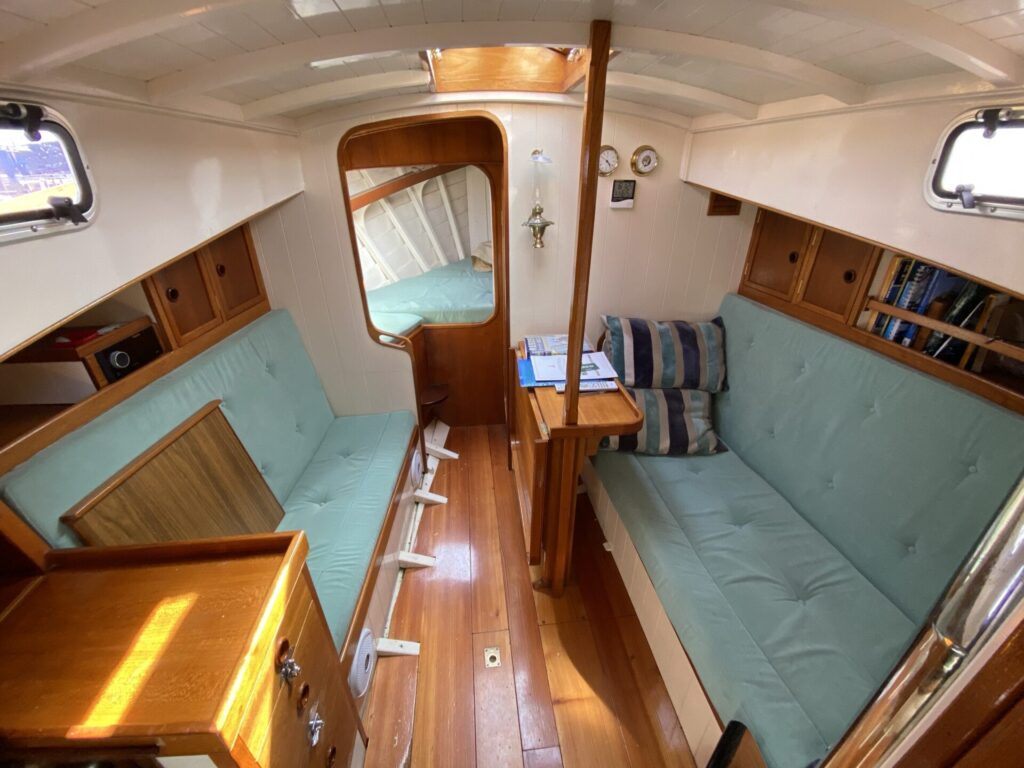
Clean the boat and remove perishables, linens, books and anything that will retain moisture. Leave locker and cabin doors open to ensure adequate airflow. If you are installing a heater or lamps, make sure they are marine grade with automatic shut-off switches (in case they tip over) and thermostatic control.
2. ANCHOR LOCKER & ANCHOR CHAIN/RODE
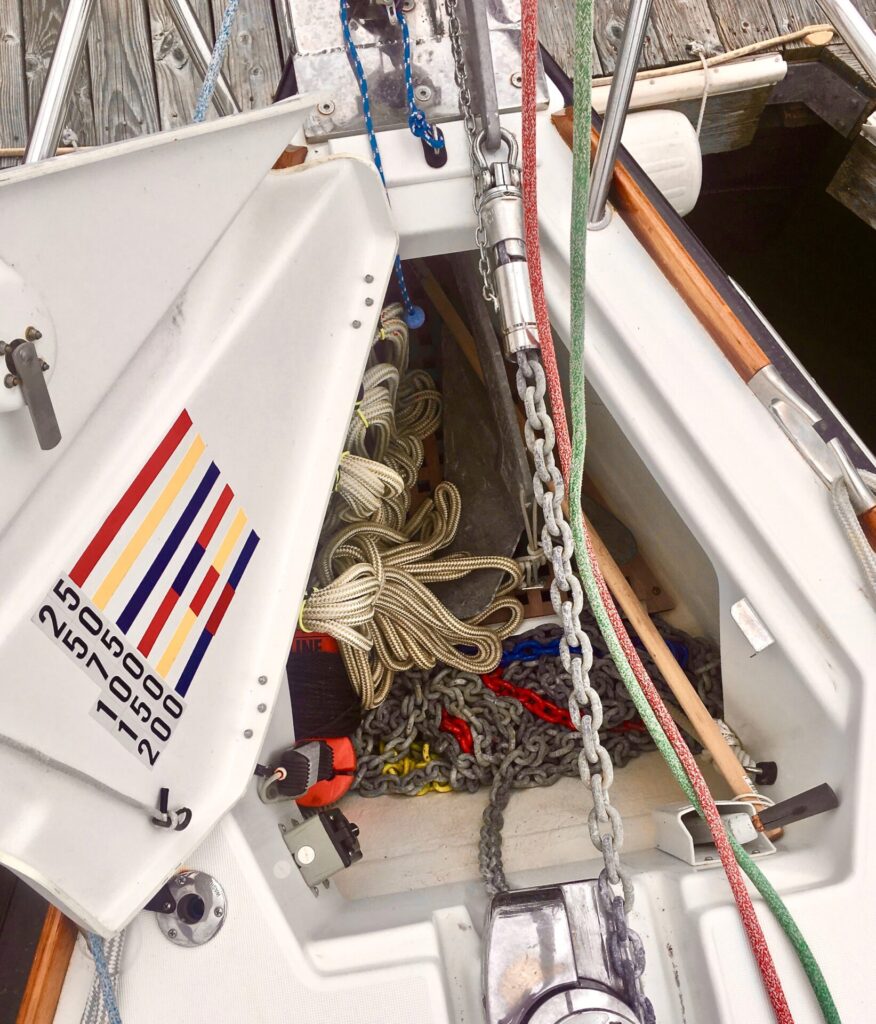
Rinse down your anchor locker and anchor chain. Check for corrosion in the chain and wear and tear in the rode. The same goes for all connecting points and the anchor itself. Does the chain need to be re-galvanized to protect it from corrosion? Finally clean and check your markers and reinstall if necessary.
3. REFRIGERATION
Clean the fridge thoroughly and leave the door propped open. Place a tray of baking soda or a cup of instant coffee crystals inside to keep things fresh.
4. BATTERIES
Fully charge your batteries and ensure your charger provides a trickle charge while you are away. Remove the batteries (unless needed for automatic bilge pumping) and top them up each month if you can. Check your shore power connections and clean your battery terminals of all corrosion. Make sure your batteries are secured in case of a winter storm. If you run flooded lead-acid batteries, top up fluid levels and check for acid damage. If you have an automatic multi-stage battery charger, make sure your shore power connections are secure.
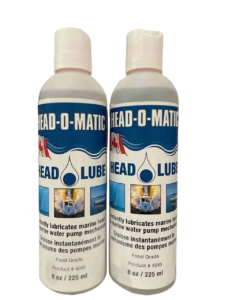 Head-O-Matic head lubricant.
5. HEADS/HOLDING TANKS
Drain and rinse the holding tank with freshwater. You can use an enzyme odour control in the final rinse and an approved marine head lubricant or vegetable oil. Pour in a cup of potable antifreeze and pump the head a few times to make sure the antifreeze gets distributed through the system. The “Y” valve should be set to overboard discharge and the sea valves should be closed.
6. MECHANICAL SYSTEMS
Lubricate linkages, controls, cables, bearings, joints and exposed metal fittings to protect them over the winter.
7. THRU-HULLS
Check all seacocks. Lubricate and make sure they are closed (except cockpit drains, if applicable).
8. WOODWORK
Prepare your brightwork for the winter season. Whether with teak oil, wood varnish or a simple cleaning solution of one cup of vinegar to four litres of water. Apply with a soft cloth.
9. CANVAS
Inspect sail covers, dodgers, bimini and so on. You can apply a fabric guard to help protect from the elements. Consider installing a canvas winter cover.
10. ENGINE
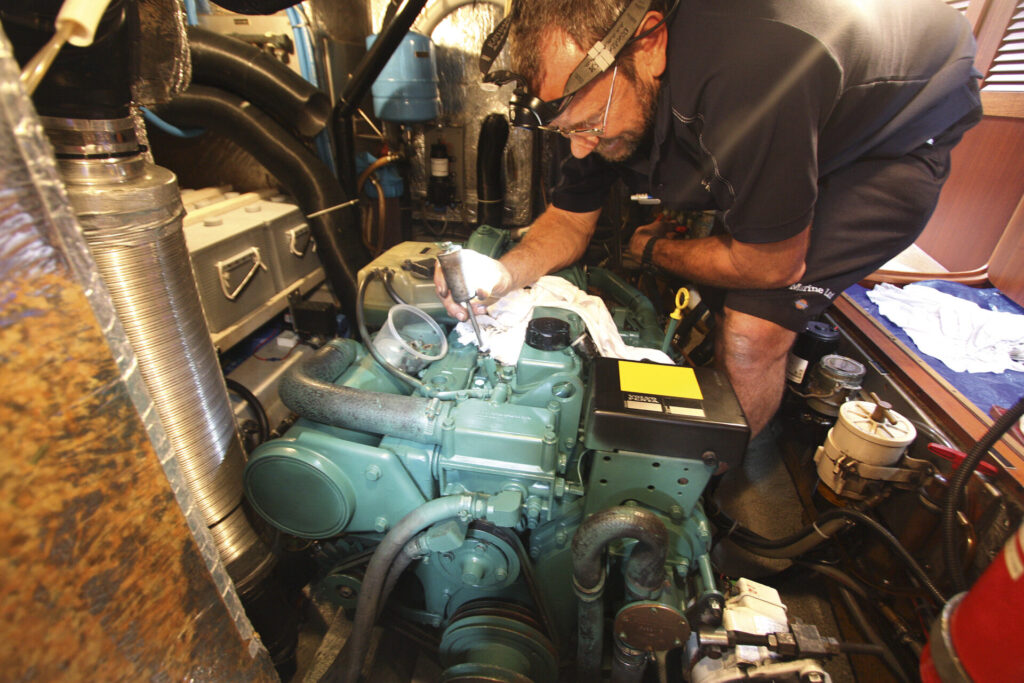 Run the engine until it is warm (oil will drain more smoothly), then change the oil and oil filters. Also change the oil and filters on your generator. Fill your fuel to prevent condensation in the system. Add growth inhibitors to diesel fuel. If the engine will not be running again until the spring, drain the fuel delivery system to prevent the fuel in the carburetor or fuel injectors from evaporating and leaving a residue.
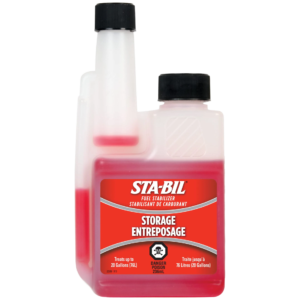 Additives like Sta-Bil keeps fuel fresh for up to 12 months.
For carbureted outboards, disconnect the fuel line and run the engine out of fuel. The exception to this rule is with oil-injected two-strokes, which may foul with oil as the engine runs out of fuel. For inboards and oil-injected two-strokes, check the service manual or refer the job to a mechanic. For fuel-injected engines, run some “pickled gas” into the system using an additive like Sta-Bil. Consider coating cylinder walls with fogging oil to prevent rusting. If you do this, you may be required to clean or replace your spark plugs before restarting your engine in the spring.
Slack off the accessory drive belts to prevent stretching or taking a “set.” Put a tag on the engine control panel to remind yourself to retighten them before start-up. If you have a freshwater cooling system, the water needs to be drained or replaced with an antifreeze solution. If there is already antifreeze in the system, test it to make sure it will protect the engine to well below the freezing point.
11. FRESH WATER
Drain water tanks and lines, including your hot water tank. Water can remain trapped in pumps and other parts of the system and then freeze, causing expensive damage; as a preventative measure, add a gallon of potable antifreeze and run the water until you see the pink solution coming out of the taps—or you can experiment like one of our readers last year and use vodka!
12. MISCELLANEOUS
Wash down the exterior of your boat with soap and water. If you wax or polish your gelcoat, this is a good time to do that. The cleaner you leave it now, the cleaner it will be next year. Make sure dock lines are secure and the loose ends aren’t hanging in the water. Check to see that your fenders are fully inflated and hanging at the right height.
13. ZINCS
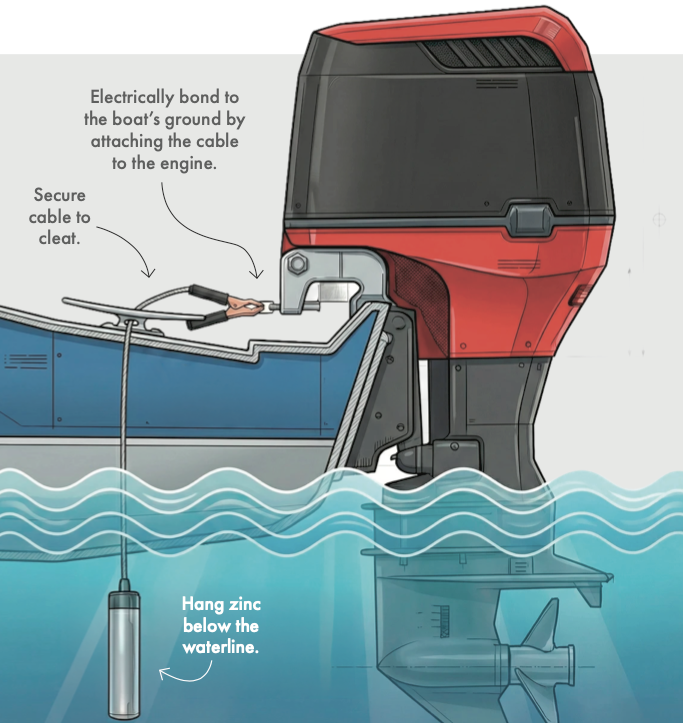
Make sure there is enough zinc left to protect the boat over winter. If in doubt, hang an auxiliary zinc over the side, electrically bonded to the boat’s ground.
14. SAILS AND RIGGING
It is important to rinse (with freshwater) ropes, foul weather gear, lifejackets, sails and anything else that has come into contact with saltwater; then dry in a ventilated location. Remove, inspect and stow sails. To extend the life of your furling sails, remove and store them at home. If repairs are needed, take your sails to your sailmaker now rather than in the spring when they are busy. Store sails in a well-ventilated place. Tie off halyards with bungee cords to prevent them flapping against the mast, wearing them out and annoying your neighbours.