

In the marine world we love labels—Coastal, Offshore, Ocean, Blue Water. While they sound helpful, they often hide the details that actually matter. Offshore conditions can be more demanding than local sailing, but “more heavy duty” is not automatically better. Sails are similar. “Coastal” gets treated like “cheap,” “offshore” like “quality,” when what matters is whether the sail is built with the right features for how you actually use your boat.
Here’s the point: durability and user friendliness come from specific design and construction choices, not just cloth weight or a category label. Some details can’t be finalized until measurements and design work are complete, but a good sailmaker should be able to explain the major decisions clearly up front.
UV plan
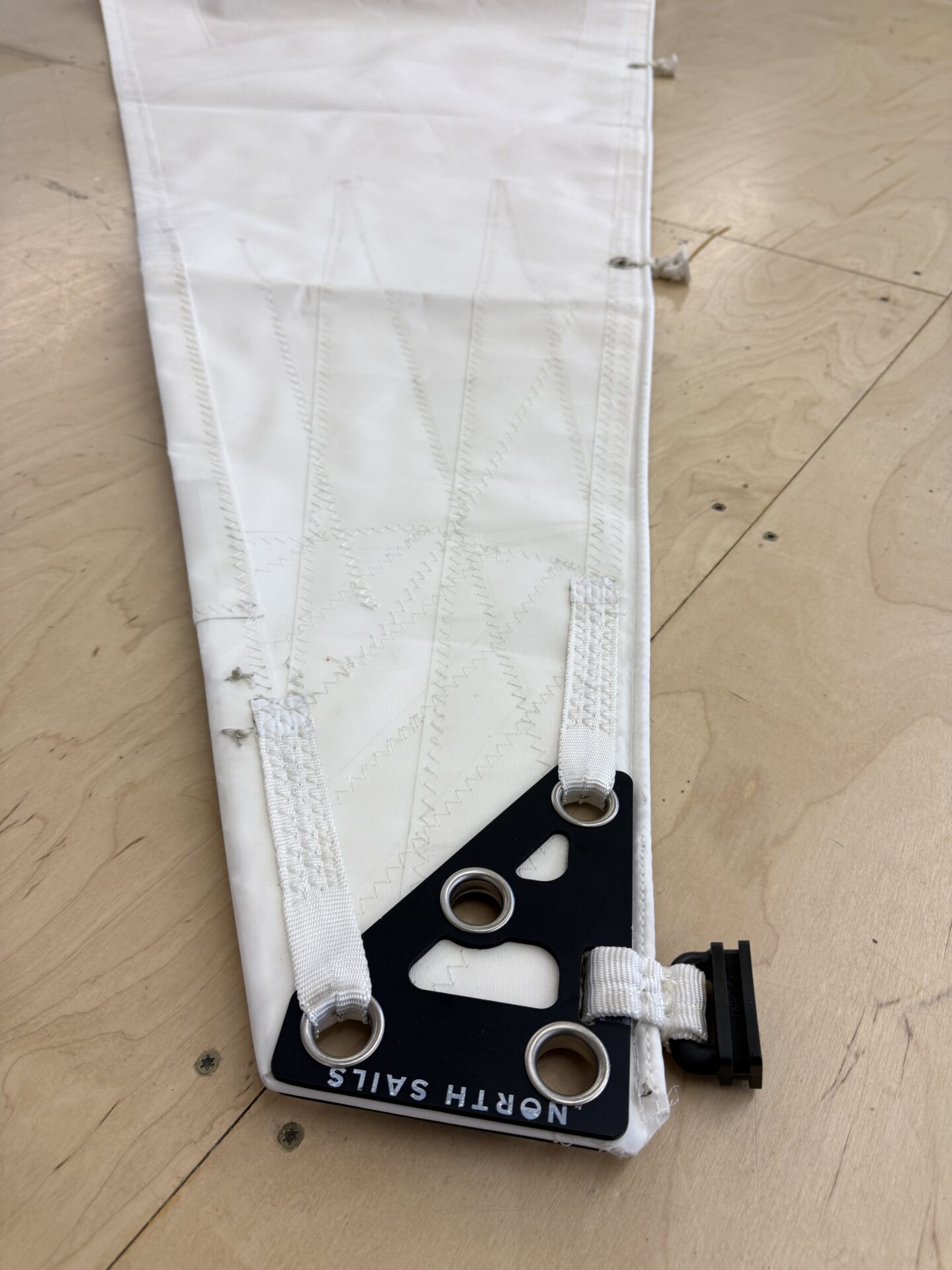
UV is one of the most common reasons sails come back into a loft. Many strong, low stretch materials are not naturally UV tough, so UV protection is handled with secondary layers and good detailing.
On furling sails, look at how the UV cover and the corners are built. If corner webbings are sewn on top of the UV cover (since it is faster to build), ask what stitching is now living in the sun. Even if the webbing is UV resistant, it is usually sewn with polyester thread, and thread is often the first thing to fail.
For mainsails, do a simple self-check. Hoist the sail, put the cover on the way you normally would, then look at the head and clew. If you can see corner webbing or stitching in the sun, that’s where you’ll get UV breakdown first.
Corners and reefs
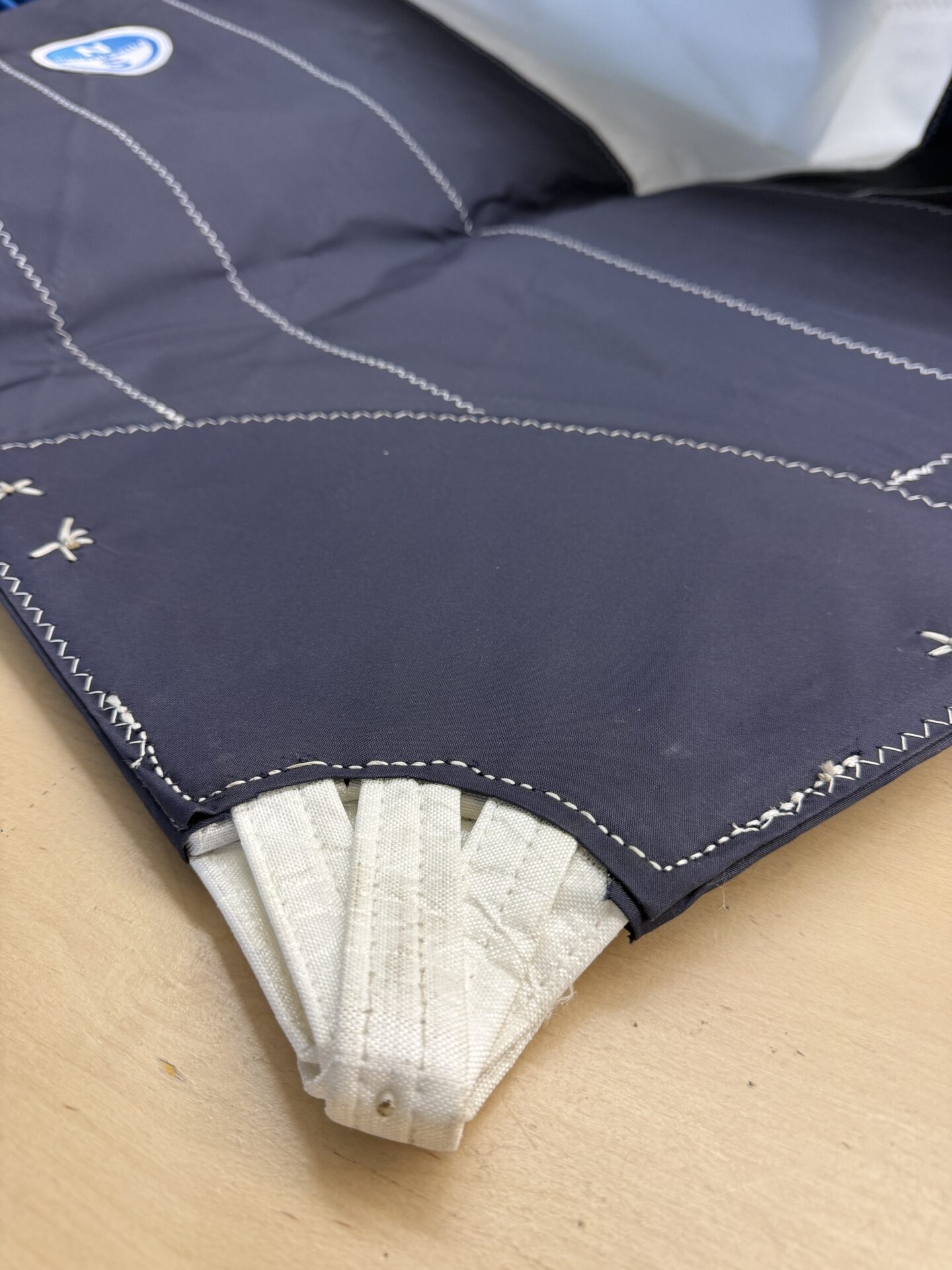
Corners and reefs are where loads get concentrated. Traditional block patches can work, but they often need extra material to achieve similar strength and stability, which is where the “heavier is better” misconception comes from. When patching is aligned with load paths, a sail can often be built lighter while staying strong where it matters, which usually means easier handling too. Your sailmaker should be able to explain what patching style they’re using and why.
Chafe planning
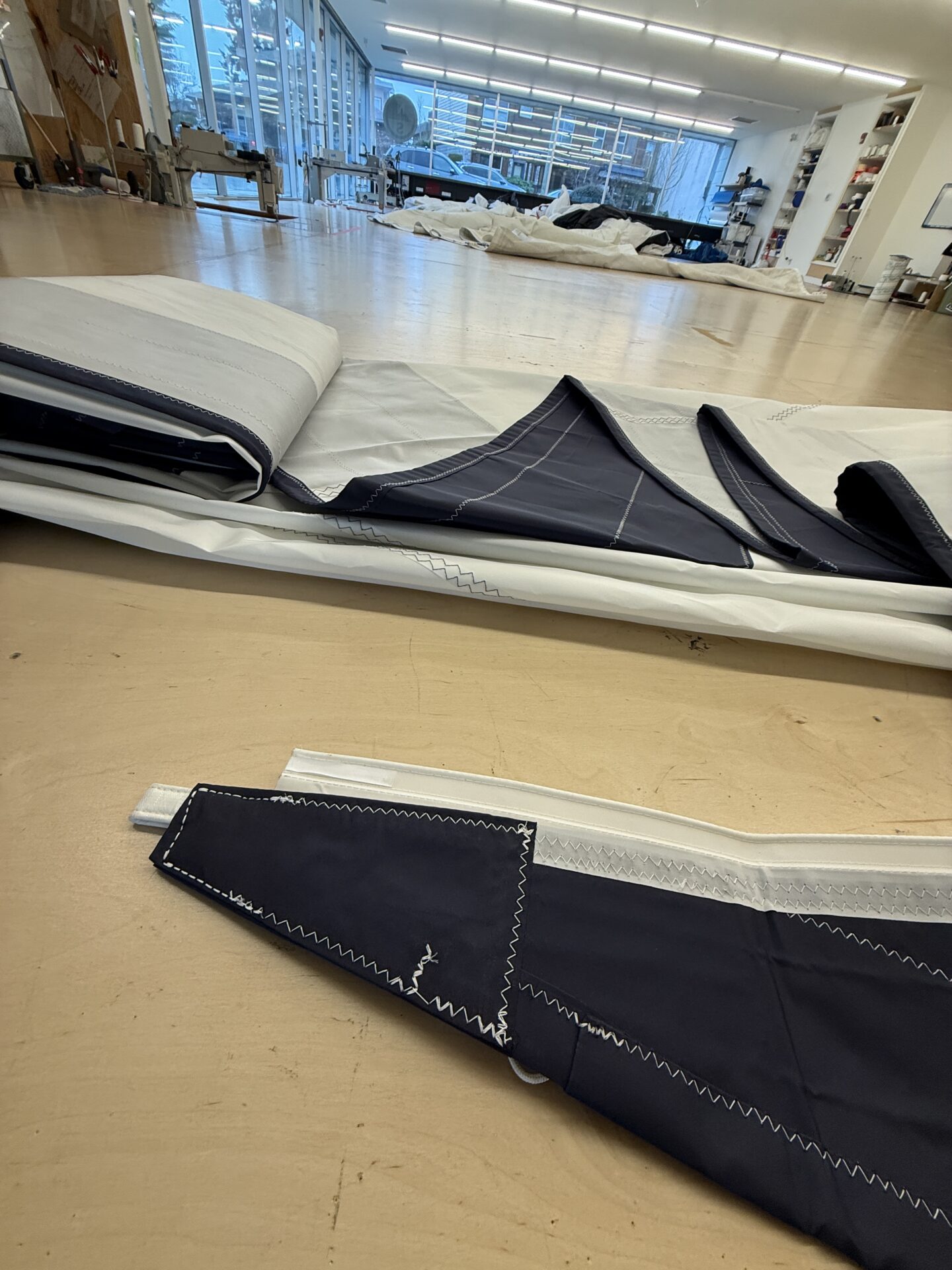
Chafe is determined by your rig, your hardware, and how the boat gets sailed. Dacron is inherently pretty chafe resistant, so prevention often starts with the boat. Clean up sharp edges, loose fittings, old track hardware and poorly placed add ons.
New sails can be more vulnerable than old sails because they are crisp and stiff. Treat the first few sails as a shakedown, keep an eye on contact points, and deal with them early. Reinforcement only helps if it’s in the right place. A patch that is close but not actually protecting the wear point can be worse than nothing. It adds stiffness and weight, and it can create a hard edge where the sail starts to break along the patch boundary.
Handling details
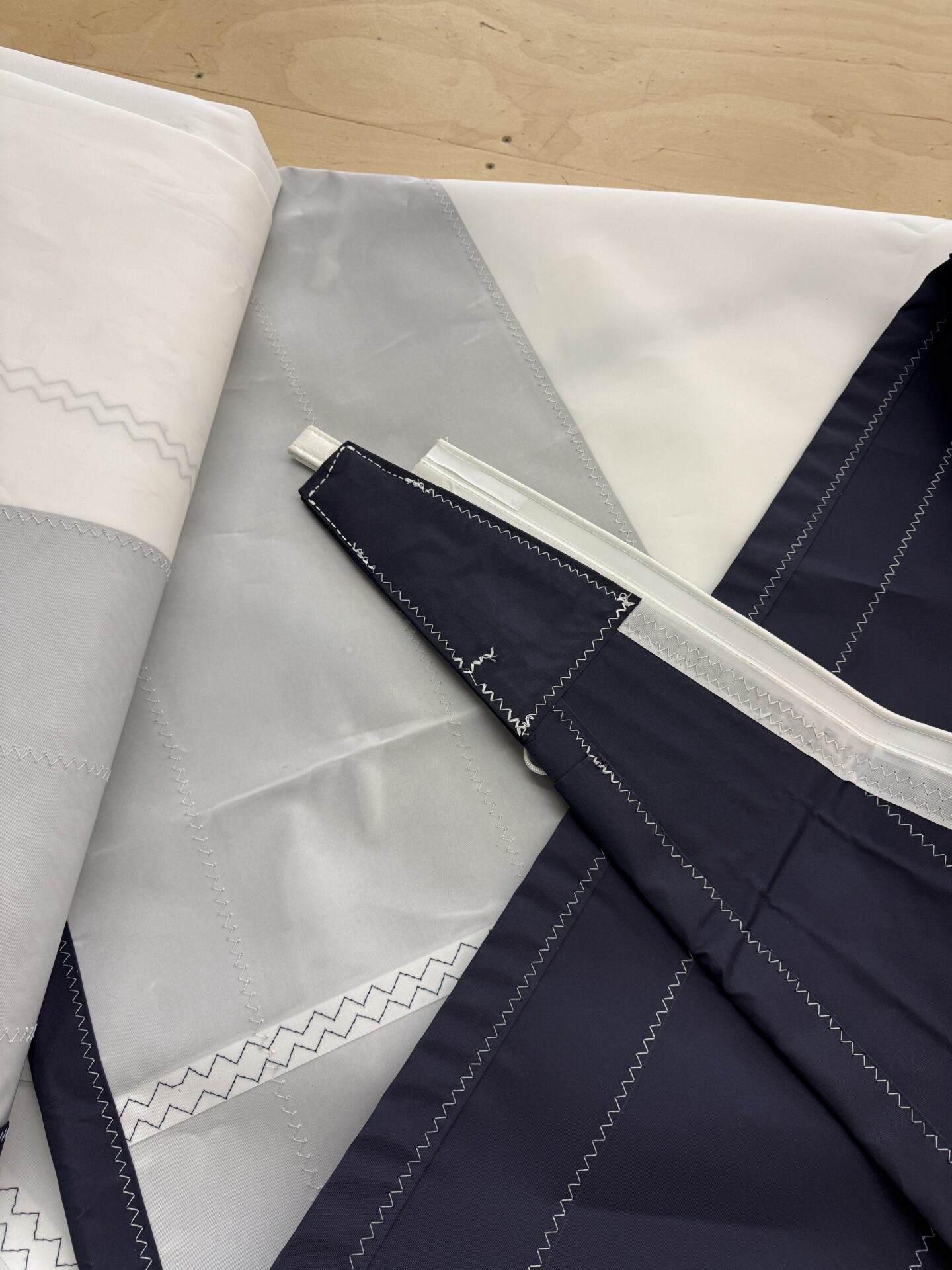
On mainsails, battens and batten hardware matter. Tapered RBS epoxy battens are a great standard, but the batten boxes need proper fit and adjustable tension. With full battens, you want a mechanical link to the slides or cars. Webbing links can struggle with compression loads and make the sail push against the mast when hoisting or lowering.
Reef hardware choices matter too. Press rings are still common and can be best at the reef tack. At the leech end, integrated low friction rings often make it easier to get a reef flat and reduce wear when loaded. On self tacking jibs, a proper clew board matters, and on vertical batten jibs you want to avoid leech loaded setups that constantly spit battens.
Buyer checklist: copy, paste, ask
- UV plan: What parts see the most sun, and how are you protecting them, including stitching and corners?
- Corners and reefs: What patching style are you using, and is it aligned with load paths or just added weight?
- Chafe planning: Where do you expect contact, and how will we confirm and address it once the sail is sailing on my boat?
- Handling details: What battens and hardware are included, and how is the full batten system linked to the slides or cars?
- Reef hardware: What is used at tack and clew, and are low friction rings offered at the leech?
- Support after delivery: If something needs a small adjustment after the first few sails, who looks at it and how?
In short, sail buying gets easier when you stop shopping by labels and start shopping by details. The internet and YouTube can help, however sailmaking is full of nuance, and it can be hard to sort balanced advice from clickbait. Have real conversations, ask a few good questions and work with the people who can explain their choices clearly and who are willing to educate you, not just sell you a number.