


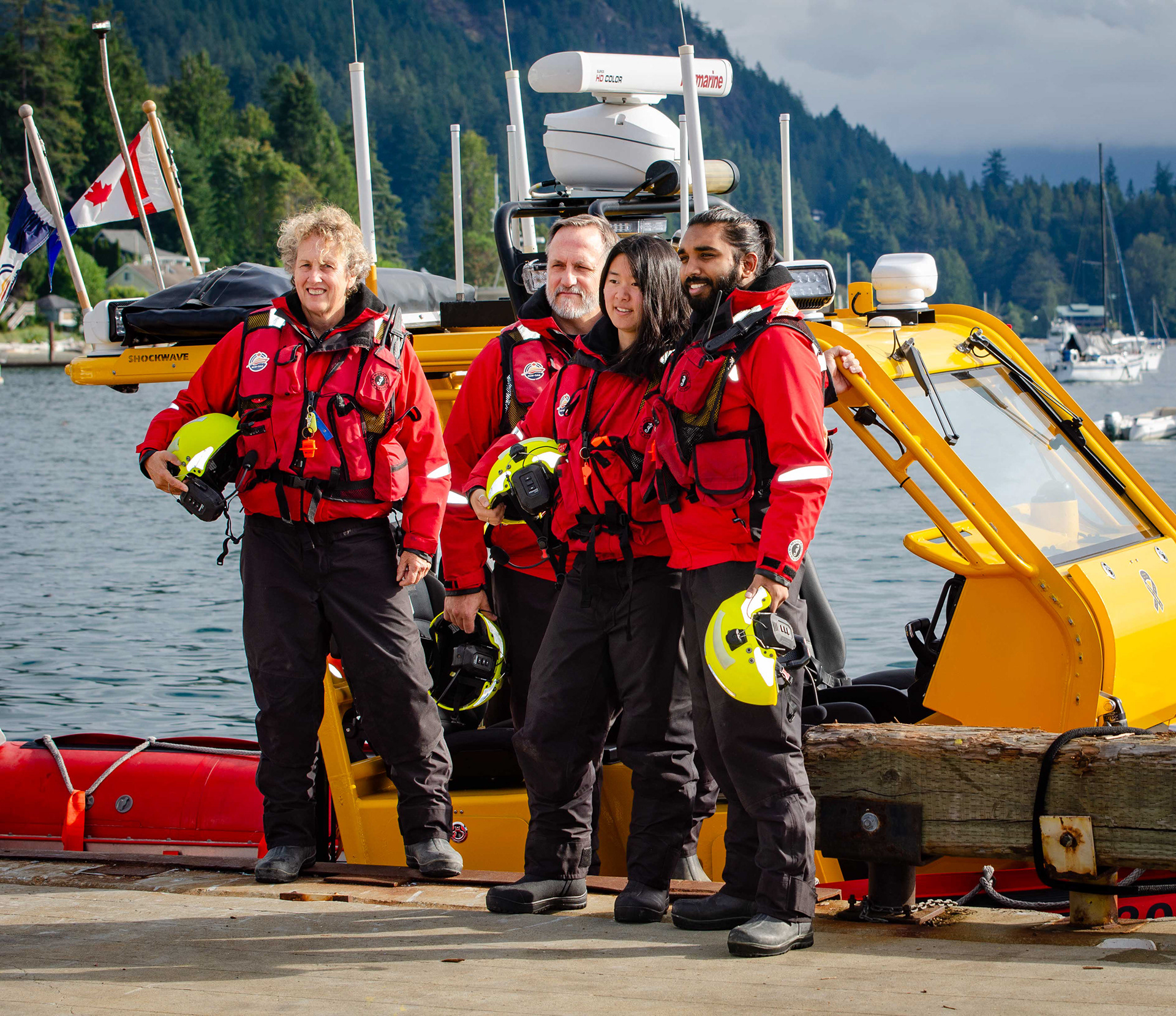
Ask around any marina and you’ll hear a version of the same story. A foot that slipped but caught itself. A near collision with another vessel. A fuel gauge that suddenly seemed less trustworthy than it had an hour earlier. Weather that turned faster than expected, but everyone made it back to the dock anyway.
Usually, nothing comes of it. The moment passes, followed by a shake of the head and the thought that things could have turned out very differently.
But sometimes, they do.
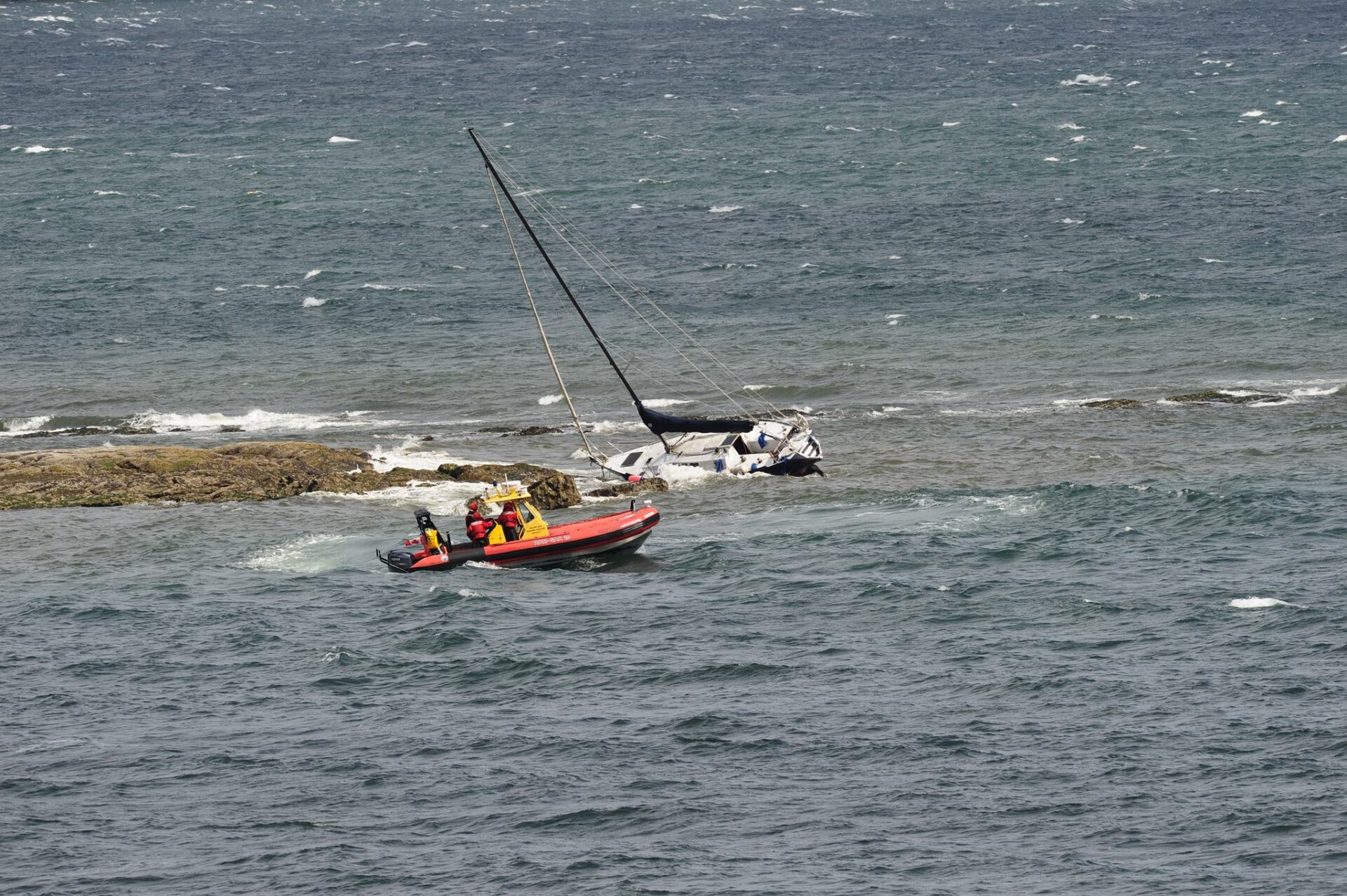
People get into trouble on the water for all kinds of reasons. Sometimes it’s sudden and dramatic. More often, it’s a series of small, ordinary circumstances that combine into a situation no one saw coming. A faulty fuel gauge once left a family of five stranded on the water as daylight was fading. During a search for a missing boater whose vessel had been found empty and partially submerged, rescuers eventually located the person on shore, severely hypothermic, but alive. In another incident, two paddlers spent nearly four hours in the water after their canoe capsized. They were kept afloat and alive by their lifejackets until rescuers arrived.
These are just a few of the hundreds of calls Royal Canadian Marine Search and Rescue (RCMSAR) volunteers answer every year.
29 Resue Stations
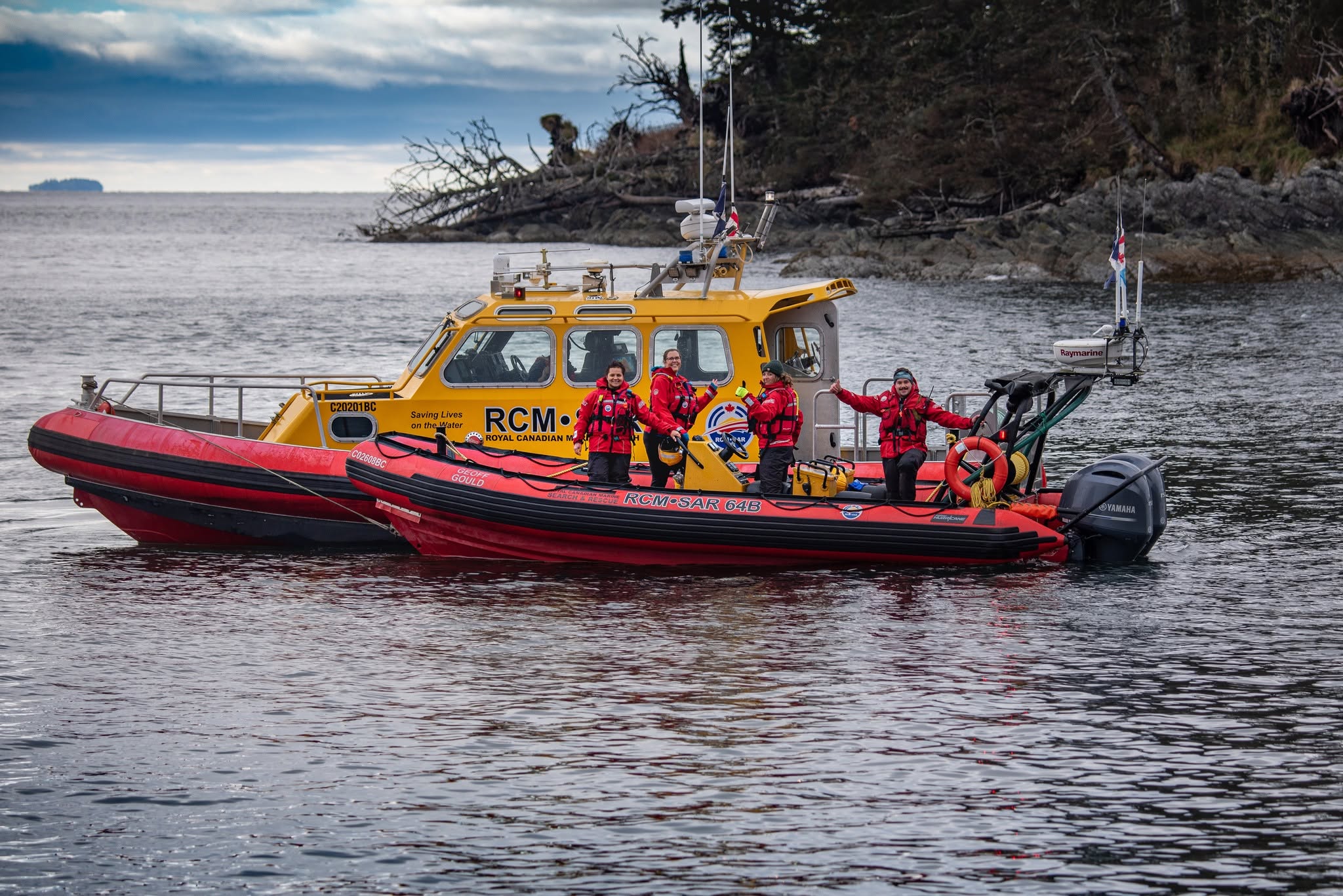
Across BC more than 900 RCMSAR volunteers serve at 29 rescue stations from the Lower Mainland and Vancouver Island to the Sunshine Coast, Haida Gwaii, and the Shuswap. Together, they answer roughly 500 calls on the water each year — about one-quarter of the province’s marine distress calls.
You’ll often see those same crews out on the water at races, fireworks displays, bathtub festivals, polar bear swims, and other community events, helping keep an eye on things when the water is at its busiest. For boaters and paddlers, it means there are trained rescue crews in communities up and down the coast, ready to respond when someone needs help.
Sometimes one RCMSAR crew is all that’s needed. Other calls bring together several agencies, including the Canadian Coast Guard, depending on where the emergency happens and what is required. Either way, what happens on the water is only possible because of the work that happens long before the call comes in.
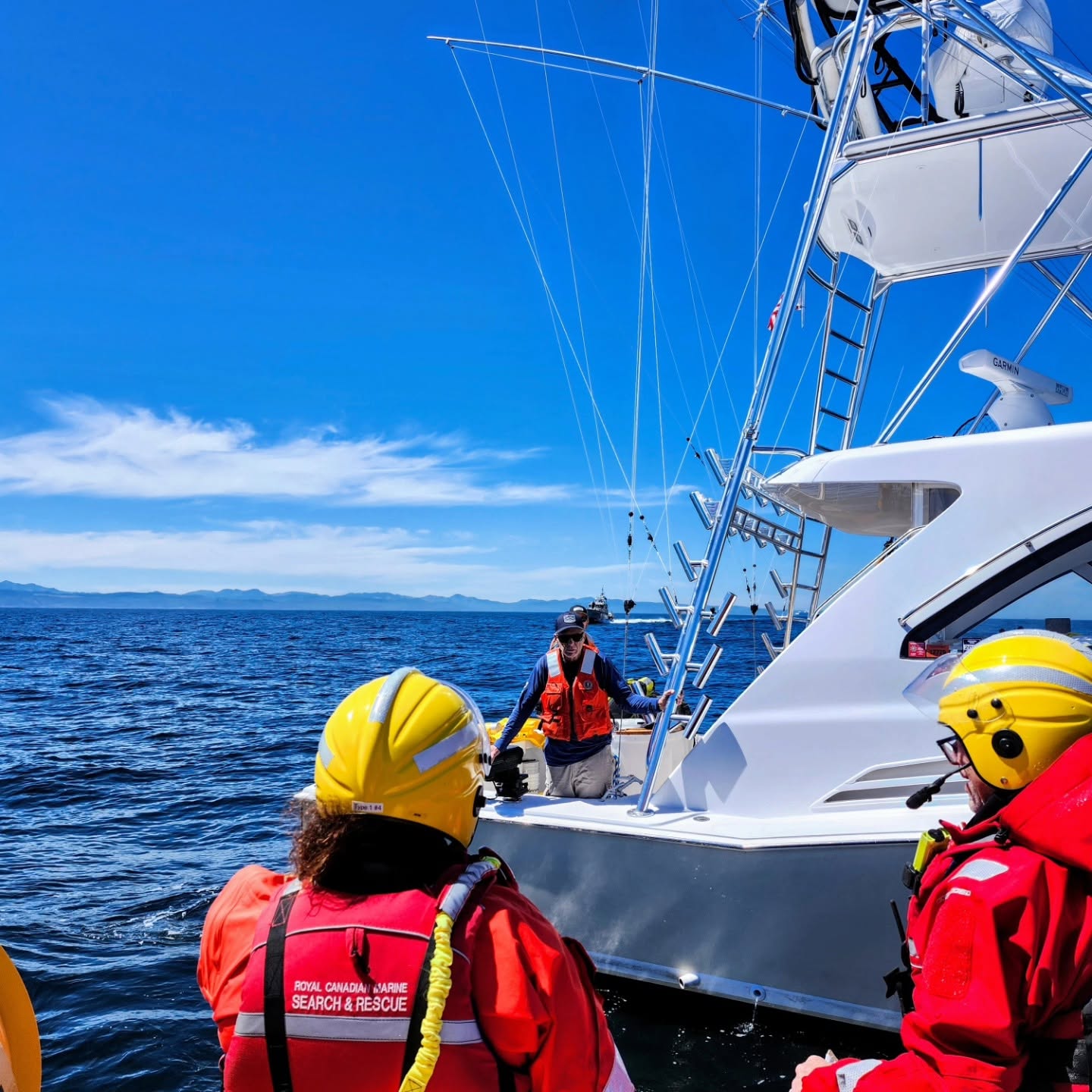
When a distress call goes out, the volunteers who answer it might be at work, sitting down to dinner with their families or asleep. Within minutes, they’re on their way to the station, preparing the rescue vessel and heading onto the water to help or search for someone they may never have met. Every call depends on volunteers being trained, prepared and available when the pager sounds.
There’s no single kind of person who becomes an RCMSAR volunteer. Some have spent decades on the water. Others had barely been in a boat before joining and built their marine skills through RCMSAR. They have different jobs, backgrounds and levels of experience, but they share a willingness to be there when someone on the water needs help.
Being ready takes a lot of work. Volunteers train year-round in navigation, boat handling, search techniques, casualty recovery, first aid, communications and emergency response. They also spend many more hours maintaining vessels, checking equipment and keeping their stations ready for the next call.
What many people may not know is that RCMSAR is a registered charity. While government funding supports part of its work, the organization also relies on individual donors, businesses and communities to help ensure volunteers have the training, equipment and resources they need to respond safely and effectively. It’s another way B.C.’s boating communities help look after one another on the water.
Most people who head out on the water will never need RCMSAR. But almost every boater can imagine the moment when an ordinary close call becomes something more. And if it does, somewhere nearby a group of volunteers will be leaving work, dinner or bed and heading for the station.
Learn more about Royal Canadian Marine Search and Rescue and the people behind the rescues at www.rcmsar.com.
If you’d like to help support this work, your contribution helps volunteers be ready for the next person who needs help on the water. Just click here.
P.S. If you live near one of our rescue stations and would like to learn about volunteering, either on the water or shore-side, visit our website or email volunteer@rcmsar.com.