

As the local racing community prepares for this summer’s racing season, they should be aware of a number of new developments and changes in the applicable 2026 safety regulations. Many of these changes take time to understand and others may require purchasing new equipment for your boat, so it’s best to review the 2026 requirements well in advance of an event.
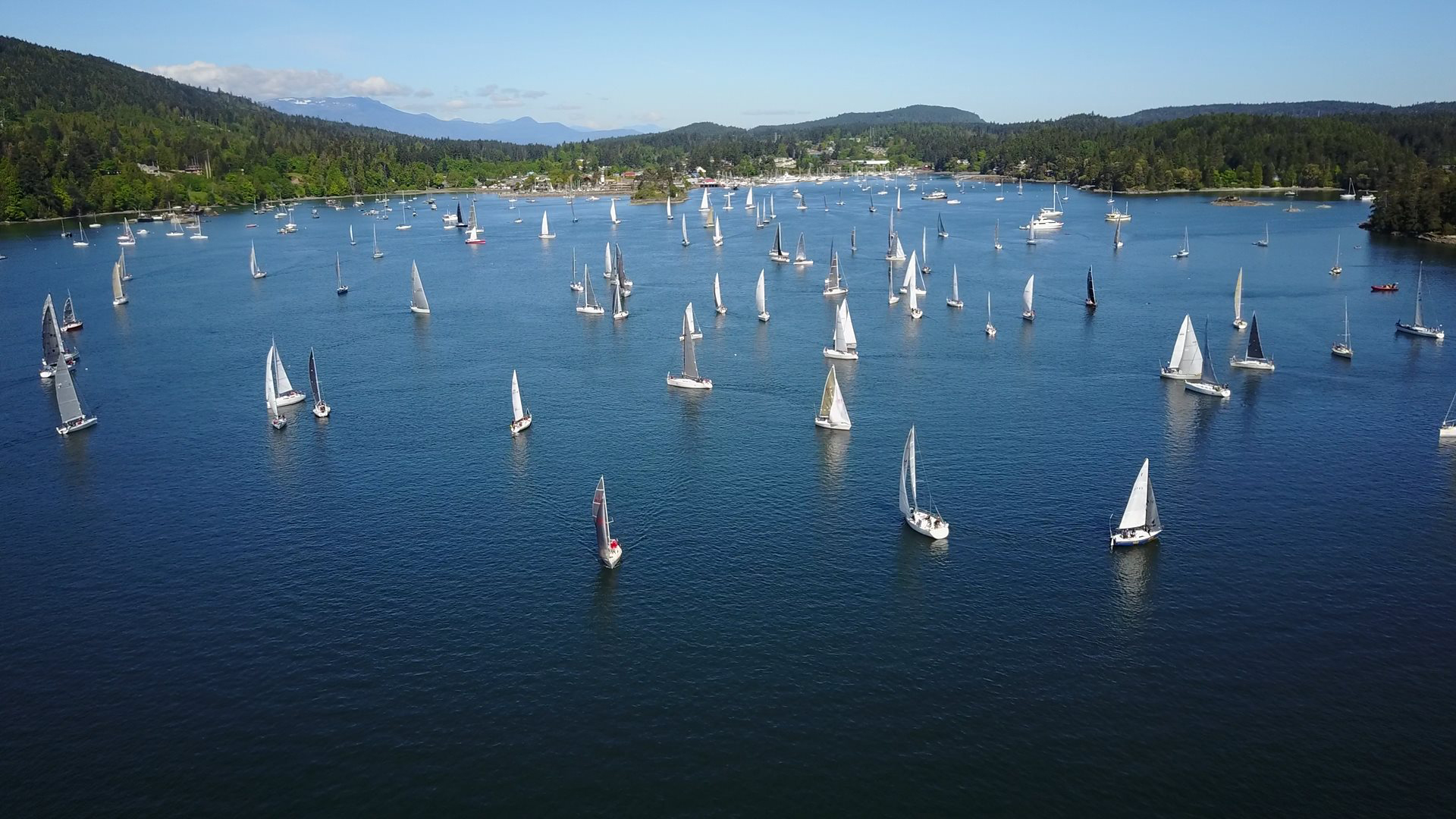
World Sailing and Sail Canada publish updated regulations every two years, which BC Sailing reviews and amends to suit local conditions and events.
The minimum safety equipment, accommodation and training standards include:
- World Sailing Offshore Special Regulations (OSRs) for Monohulls 2026–2027 Version 1 dated December 5, 2025. sailing.ca/special-regulations
- BC Sailing 2026 Amendments to World Sailing Category 3 – version 3.0 dated Dec. 15, 2025. bcsailing.bc.ca/wp-content/uploads/2026/01/Cat3moAmendments2026v3.pdf
The organizing authority for each event may also introduce amendments to suit their race. It’s critical to review the Event Rules, Notice of Race and Sailing Instructions to understand the amendments that are in place for each.
Key changes for 2026 Category 3 Coastal race events (longer courses) include:
3.04 Stability—Monohulls
The BC Sailing amendments for Category 3 include new stability requirements in OSR section 3.04.
- Sail Canada has an excellent overview of the new stability requirements, which include two stability screening lists (one by hull length, one by design name) that can be found on the website: sailing.ca/stability-screening.
- Offshore Racing Congress International and Offshore Racing Rule certificates indicate the ORC/ORR stability index. Note: ORC Club certificates typically don’t show this data, but older Club certificates may show stability data for some boats. Refer to ORC Sailor Services website for more information.
- Boats built for the European market after 1995 will have a CE certification plate—if it indicates category A or B, the boat is compliant with Category 3 stability requirements for the number of crew members listed on the plate.
3.29.6 VHF Cockpit Speaker
If the number of crew members is fewer than three, the required VHF marine radio transceiver must be equipped with an external speaker in the cockpit.
3.29.7 AIS Transponder
In 2026, AIS transponders outlined in clause 3.29.7 are now required for all Category 3 races in BC.
4.07 Flashlights and Searchlights
For boats with only two crew members, flashlights and searchlights must be accessible from the cockpit without having to go below deck.
4.22.2 GNSS Crew Overboard Position
BC Sailing requires that all Category 3 race entrants have a GNSS (GPS) capable of recording a crew overboard position within 10 seconds and can monitor that position without having to go below deck. Most cockpit mounted chart plotters have this capability, often as a MOB function.
5.01 Lifejacket
Here’s a compilation of the requirements for Category 3 races:
- Only gas inflatable lifejackets manufactured after 2011, complying with either ISO 12402-3 (lifejackets), 12403-8 (accessories), UL1180 or UL1180C standards are allowed. Check your life jackets to ensure one of these standards is listed.
- Lifejackets must have all the items listed below:
- a manual or automatic gas inflation system with a whistle secured by a cord and retroreflective material;
- a ride up prevention system (crotch strap or thigh straps);
- an emergency position indicating light;
- a sprayhood;
- a deck safety harness that is built into the lifejacket and compliant with ISO 12401 or equivalent.
- Tethers must be compliant with ISO 12401, be manufactured after 2000, have two self-closing hooks (one not exceeding one metre in length including the hook and the second not exceeding two metres in length) and have an overload indicator flag embedded in stitching.
- Lifejackets must be of the appropriate size range for the crewmember and be indelibly marked with the name of the boat or owner.
- Lifejackets can be serviced by the user if permitted by the manufacturer.
- Spare inflatable life jacket cylinders and activation heads must be carried for each type of lifejacket onboard.
- The “person in charge” must personally check that each lifejacket has been serviced in accordance with the manufacturer’s instructions.
Training
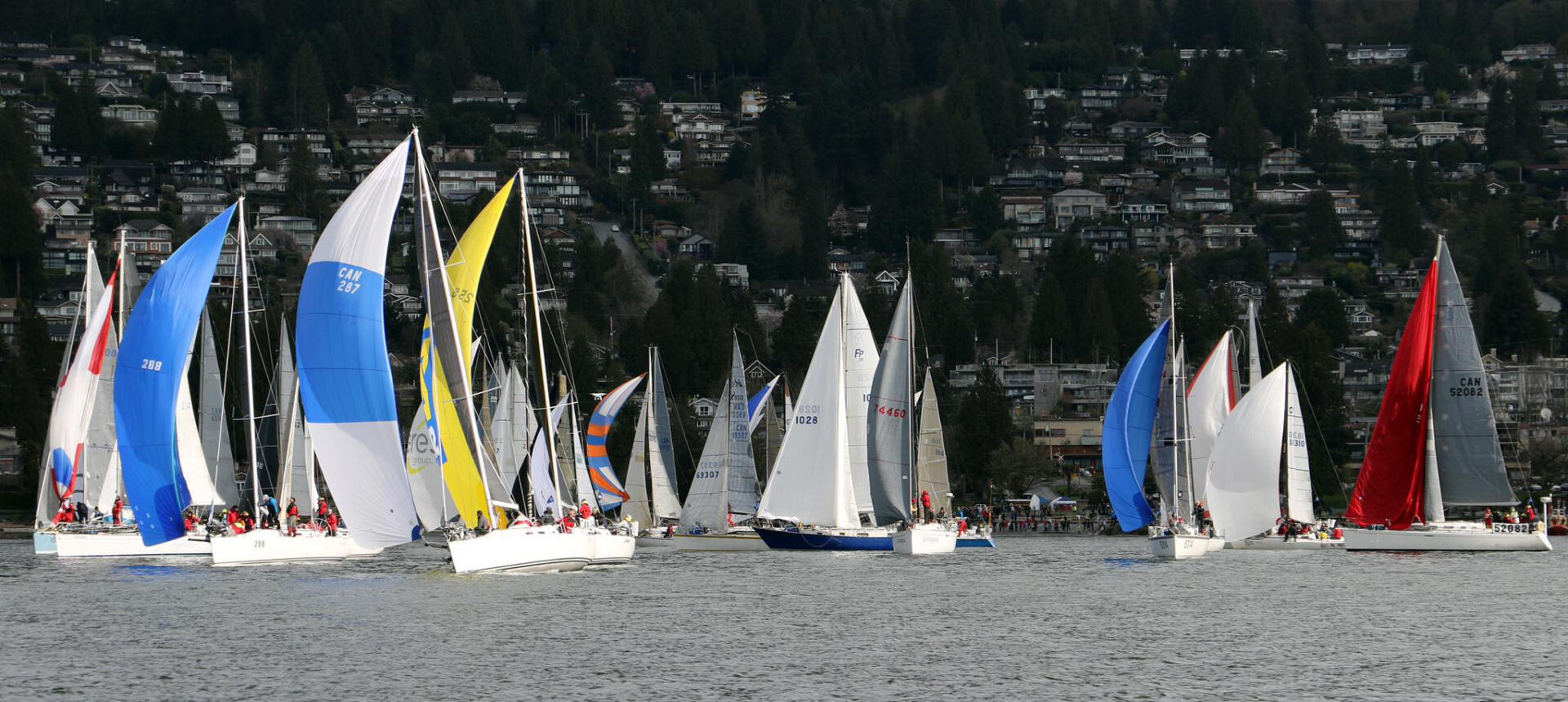
Sail Canada prescribes that at least 30 percent and no fewer than two crewmembers including the person in charge must have a Sail Canada-accredited Coastal Personal Survival Training (CPSC) course or training accepted as equivalent by the organizing authority taken within five years before the start of the race.
For the upcoming CPSC class schedule and registration information in BC, check the BC Sailing website: bcsailing.bc.ca/safety-at-sea.